
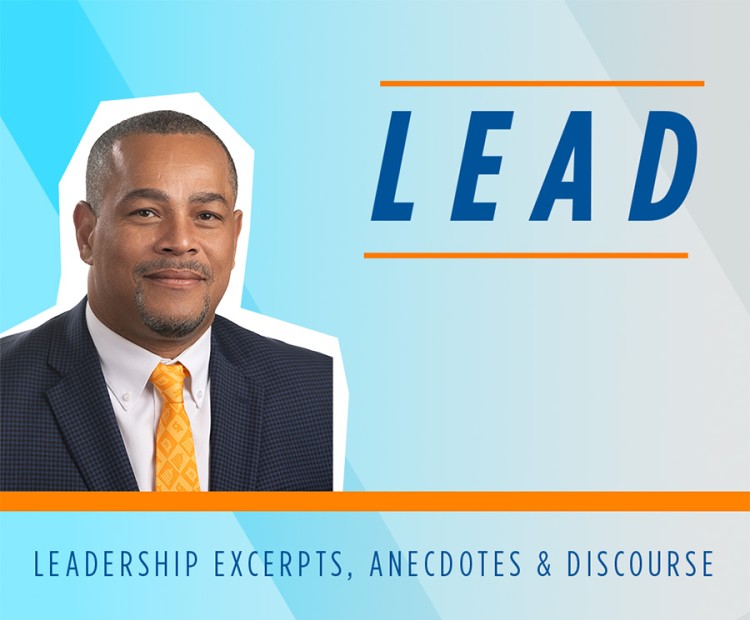
Leadership Must Evolve: Preparing Law Enforcement for the Future
Law enforcement has always depended on strong leadership. While our mission of protecting and serving communities remains the same, the environment in which we carry out that mission continues to change. Technology is advancing, our workforce is changing, community expectations are evolving and today's leaders are facing challenges that may not have existed when they began their careers.
Just as law enforcement has evolved, our leadership must evolve with it.
Experience, rank and years of service remain valuable, but today's leaders must bring more to the table. Leadership requires communication, adaptability, accountability, mentoring, strategic thinking and a willingness to listen. It also requires us to occasionally challenge one of the most common phrases in any organization: “This is the way we have always done it.”
Experience should be something we build upon—not something that prevents us from considering a better way. Effective leaders should continually ask: Is there a safer way? Is there a more efficient way? Can technology help us? What can we learn from other agencies? Most importantly, will this help us better serve our employees and our community?
Developing Tomorrow's Leaders Today
Leadership does not begin with a promotion or a new rank. Deputies, officers, corrections officers, dispatchers and other employees demonstrate leadership every day through their actions, decisions and professionalism.
Our responsibility is to recognize that potential and develop it. We cannot wait until someone becomes a sergeant, lieutenant, captain, chief deputy or sheriff before preparing them to lead. Mentoring, cross-training, professional development and giving employees opportunities to take on responsibility are investments in the future of the organization.
If we want better leaders tomorrow, we have to develop them today.
Leading People and Technology
Today's workforce also expects communication, professional development and opportunities to contribute. Listening to employees does not mean lowering standards or eliminating accountability. Strong leaders can maintain high expectations while creating an environment where employees feel valued, understand the mission and know their ideas matter.
Technology presents another leadership challenge. Drones, body-worn cameras, automated license plate readers, real-time crime centers, advanced communications, robotics and artificial intelligence are changing how public safety operates.
Technology can provide better information and improve safety, but it cannot replace leadership. A drone cannot replace experience. Artificial intelligence cannot replace judgment. A computer cannot replace communication and relationships with the people we serve.
As technology becomes more capable, leadership, policy, training, accountability and transparency become even more important.
Preparing for What Comes Next
Every leader will eventually leave the position they hold. One measure of our leadership is not simply what we accomplish while we are there, but what condition we leave the organization in for those who follow us.
Did we develop future leaders? Did we share our knowledge? Did we encourage new ideas? Did we prepare our agency for change? Did we build relationships with employees, local government and the community so that others can continue?
The future of law enforcement will look different. Technology will change. Employees will change. Community expectations will change. But our fundamental responsibility will remain the same: protect people, support our employees, uphold the law, maintain public trust and serve our communities with integrity and professionalism.
Leadership is not about knowing everything that is coming next. It is about developing people and building an organization that is prepared for whatever comes next.
The future will continue to evolve. As leaders, we must be willing to evolve with it—for the people we lead and the communities we have the privilege to serve.